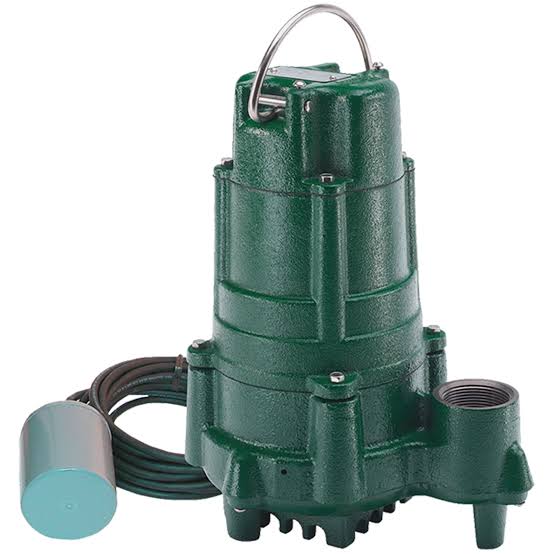
Summer storms can hit hard and fast, and when they do, your sump pump becomes one of the most important parts of your home. It helps protect your basement and crawl space from water buildup and flooding. After a few heavy rains, it is a good idea to take a few minutes to make sure your plumbing system is still working the way it should.
- Heavy rain can put extra stress on your sump pump
- Storms often expose hidden plumbing problems
- Small issues can quickly lead to basement flooding
- A quick check now can help prevent costly damage later
Start with a simple test. Slowly pour water into the sump pit and watch what happens. The float should rise and the pump should kick on right away. You should see water moving out of your home without delay. If it hesitates or does not turn on, that is a sign something in the system may need attention.
- Pour water slowly into the sump pit
- Watch the float activate the pump
- Make sure water is being pumped outside
- Slow or no response can raise flooding risk
Next, take a look outside at the discharge line. This is where your plumbing sends water away from the house. After storms, it is common for this line to get blocked with dirt, grass, or mulch. If water cannot flow out properly, it can end up coming back toward your foundation.
- Check for clogs or blockages outside
- Make sure water is flowing away from the home
- Clear away leaves, dirt, and yard debris
- Confirm the line is still secure and in place
While the pump is running, listen closely. It should sound steady and normal. If you hear grinding, rattling, or loud humming, it may be a sign the pump is wearing down or struggling after heavy use during storms.
- Listen for unusual sounds while it runs
- Grinding can mean worn internal parts
- Humming may signal motor strain
- Smooth operation usually means things are okay
Don’t forget about power. Make sure your sump pump is plugged in and working. If you have a backup battery system, check that it is charged and ready. Power outages during storms are common, and backup systems often prevent flooding when you need them most.
- Confirm the pump is plugged in securely
- Check the breaker if the pump is not running
- Test and charge backup battery systems
- Backup power is critical during storms
Finally, look around your basement or crawl space for warning signs. Damp walls, musty smells, or small puddles near the sump pump can all be early signs that your plumbing system is not keeping up.
- Look for damp or wet basement areas
- Notice any musty or stale odors
- Check for small puddles or moisture spots
- These can signal early flooding issues
Your sump pump works quietly in the background, but it plays a huge role in protecting your home. A quick check after summer storms can help prevent flooding and keep your plumbing system working the way it should. If anything seems off or you just want peace of mind, give us a call at your nearest Hudson Plumbing location:
- Martinsville: 765-349-0900
- Plainfield: 317-659-6138
- Bedford: 812-747-0900